Monday – Friday 8am – 4pm

SOUTHWEST FLORIDA POOL OWNERS

Hurricane Pool Preparation & Recovery Guide
for Charlotte & Sarasota Counties

On the Gulf Coast, storm season is a fact of life. A little prep before a hurricane — and the right steps after — protects your pool, your equipment, and your wallet. Here’s how the Pool Boy team helps Charlotte County homeowners weather every storm.

Hurricane pool preparation and recovery for homeowners in Charlotte and Sarasota Counties, Florida

SOUTHWEST FLORIDA POOL OWNERS

Hurricane Pool Preparation & Recovery Guide

Hurricane pool preparation and recovery for homeowners in Charlotte and Sarasota Counties, Florida

On the Gulf Coast, storm season is a fact of life. A little prep before a hurricane — and the right steps after — protects your pool, your equipment, and your wallet. Here’s how the Pool Boy team helps Charlotte County homeowners weather every storm.

Local & storm-tested since 2006
Locally Owned & Trusted
Licensed & insured
licensed-and-insured-badge
Charlotte & Sarasota Counties
charlotte-and-sarasota-counties-badge

Before the Storm: Preparing Your Pool

Twenty minutes of prep can save you weeks of cleanup. Here’s what to do as a storm approaches.

01-lower-the-water

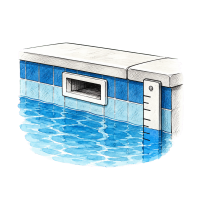
Keep the pool full — don’t drain

Skip the urge to lower your pool before a storm. In Charlotte County’s high water table, a low pool can “pop” out of the ground. A full pool’s weight holds it in place — and overflow is an easy fix afterward.

02-balance-and-shock

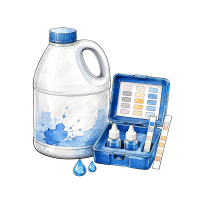
Balance & shock the water

Balance your chemistry and add extra chlorine before the storm to fight the algae and contaminants floodwater brings in.

03-clear-the-deck

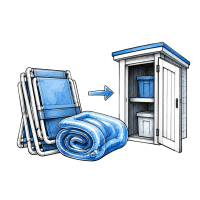
Clear the pool deck

Store loose items — furniture, floats, toys, ladders, hoses, and cleaners. In high winds they become dangerous projectiles.

04-protect-equipment

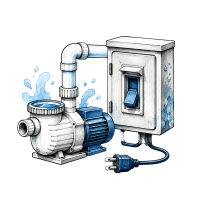
Protect the equipment

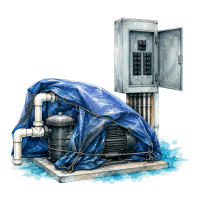
Shut off power to the pool at the breaker, and wrap or relocate the pump, motor, and heater if flooding is expected.

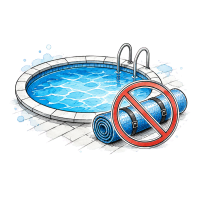
05-leave-the-cover-off

Leave the cover off

Skip the solar or winter cover — high winds can shred it and heavy rain can collapse it, dragging debris into your pool. Store it inside.

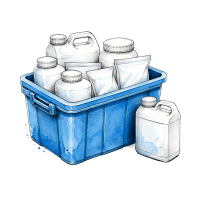
06-stock-supplies

Stock supplies early

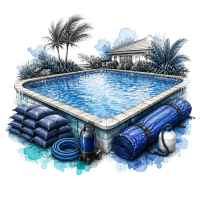
Keep extra chlorine/shock, pH adjusters, and algaecide on hand from June through November. They vanish from shelves after a major storm.

⚠  Never drain a flooded pool yourself

When the ground is saturated, draining a pool can cause it to lift or “pop” out of the ground — a costly, dangerous repair. If your pool is overflowing or you’re tempted to drain it, call a professional first.

After the Storm: Recovering Your Pool

Once it’s safe, work through these steps in order — and don’t rush the equipment.

07-wait-for-the-all-clear

Wait for the all-clear

Only head outside once authorities say it’s safe. Watch for downed power lines near the pool and equipment pad.

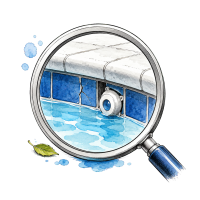
08-inspect-for-damage

Inspect for damage

Look for cracks in the shell or deck, shifted or flooded equipment, and torn cage or lanai screens.

09-remove-debris

Remove big debris by hand

Scoop out branches and leaves with a net before running anything — large debris can clog and destroy your pump impeller.

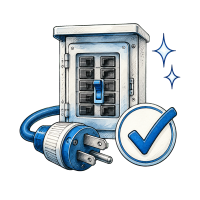
10-check-power-and-restart

Check power before restart

Make sure the equipment pad is dry and connections aren’t water-damaged before flipping the breaker. Clean the pump and skimmer baskets first.

11-filter-shock-and-brush

Filter, shock & brush

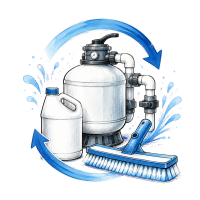
Run filtration around the clock, shock at 2–3× the normal dose, and brush daily until the water clears up.

12-call-the-pros

Call in the pros

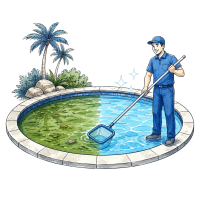
If your pool has gone green or equipment is damaged, Pool Boy’s green pool cleanup and repair team can get it swim-ready fast.

FROM THE POOL BOY CREW

What We’ve Learned After Every Charlotte County Storm

We’ve cleaned up after the storms that roll through Southwest Florida year after year. Here’s the local, first-hand advice we give our own neighbors — the things a generic checklist won’t tell you.

00-after-storm-reality

What we see after our storms

After major storms, we’ve watched local pools fill with floodwater from canals, harbors, rivers, and even sewage backups — some with two feet of sludge on the bottom. We also see rust stains from loose metal cage debris, cartridge filters packed solid, and salt systems overwhelmed by contaminants.

01-keep-it-full

Keep it full — don’t drain

The number-one mistake we see before a storm is lowering the pool. Don’t. In Charlotte County’s high water table, a low pool can “pop” out of the ground from hydrostatic pressure. A full pool’s weight holds it down — and can even serve as non-potable water if service goes out. Overflow is an easy fix; a popped pool isn’t.

02-pumps-and-electrical

Pumps & electrical

Shut the equipment off at the breaker before the storm. Wrap pumps, heaters, and panels in a heavy-duty, storm-rated tarp — not thin plastic — and anchor it to a fence post or the pool cage. Leave a little room for airflow so condensation doesn’t build up inside.

03-heavy-rain-and-chemistry

What heavy rain does to chemistry

Heavy rain dilutes your water and washes in contaminants, opening the door to algae and bacteria. Add extra sanitizer before the storm; afterward, test and shock — even saltwater pools, because a big storm can overwhelm the salt cell. No power? Skim, brush, and stir to keep chemicals moving.

04-before-you-restart

Before you restart the equipment

Make sure the equipment pad is completely dry, then check pumps, filters, and connections for leaks, damage, or clogs. Clean the skimmer and pump baskets and rinse your cartridge filters (most local pools use them) before you flip the breaker. If anything looks off, don’t force it — call us.

05-when-to-call-a-pro

When a pro needs to step in

Shock and a brush can handle light algae and leaves. But floodwater from a canal, river, or sewer can’t be fixed with chlorine — it needs a full professional drain, clean-out, and refill. Same goes for heavy sludge, water that won’t clear, or submerged equipment. That’s what our crews do every storm season.

Away for the Season? Don’t Leave Your Pool to Chance

Many Charlotte County pools sit at second homes and seasonal properties — and storms don’t wait for you to fly back. If you won’t be here, arrange for a local pro to prep your pool before the storm and check it after. We secure equipment, balance the water, document the pool’s condition with photos, and handle any post-storm recovery, so you come home to a pool that’s ready — not a disaster. Every visit is GPS-tracked and documented, so you know exactly what was done, even from a thousand miles away.

06-seasonal-residents

When to Call Pool Boy

Storm recovery is a lot — and you don’t have to do it alone. Our local team handles the heavy lifting so you can focus on your family and home.

Frequently asked questions

No — keep it full. Lowering your pool before a storm is a common local mistake. In Charlotte County’s high water table, a low pool can pop out of the ground; the weight of a full pool holds it in place. Overflow is easy to fix afterward.

Almost always, yes. Green water is algae, not damage. Our green pool cleanup process rebalances the chemistry, clears the water, and gets it swim-ready — often without draining. Floodwater contamination is the exception, and that needs a professional drain and refill.


Only after the equipment pad is completely dry, the electrical connections are undamaged, and you’ve cleared debris from the baskets. Running a wet or clogged system can cause more damage.

Storm damage? We’ll get your pool back.

From green-pool rescues to equipment repairs, Pool Boy helps Charlotte County homeowners recover fast after every storm. Call or request service and we’ll get you back in the water.

Pool Boy Inc. • Florida Pool Contractor License CPC1457405 • This guide is general information; always follow official emergency guidance for your area.

Pool Boy Inc. | Weekly Pool Cleaning & Equipment Services – Port Charlotte, FL

Hours of Operation

Monday

Tuesday

Wednesday

Thursday

Friday

Saturday

Sunday

8am – 4pm

8am – 4pm

8am – 4pm

8am – 4pm

8am – 4pm

Closed

Closed